
Cultural insights into gambling How traditions shape wagering practices worldwide
Cultural insights into gambling How traditions shape wagering practices worldwide
The Historical Context of Gambling
Gambling has a rich history that dates back thousands of years, with evidence of wagering practices found in ancient civilizations. From the earliest dice made of animal bones in Mesopotamia to the elaborate betting games of the Romans, gambling has been intertwined with human culture. These early forms of gambling served not only as entertainment but also as a means to foster social connections and community bonding. Today, some of the best online poker sites reflect these traditional principles while offering modern twists.

As societies evolved, so did their gambling practices, shaped by local customs and traditions. In many cultures, gambling was often associated with rituals and festivals, reflecting the values and beliefs of the community. For instance, in some Indigenous cultures, games of chance were part of spiritual ceremonies, highlighting the significance of luck and fate in their worldview.
Cultural Variations in Gambling Practices
Diverse cultures approach gambling in unique ways, influenced by local traditions and societal norms. In countries like China, gambling is often seen as a communal activity, deeply embedded in social gatherings and festivals. The Lunar New Year celebrations are particularly noteworthy, as they feature various games of chance that bring families together to enjoy both fun and fortune.
In contrast, gambling in Western cultures has often been commercialized, with the establishment of casinos and betting houses as major entertainment hubs. This shift has led to a more individualistic approach to gambling, where personal gain is prioritized over communal experiences. Such variations highlight how cultural perspectives shape the practice of gambling and its acceptance within society.
The Impact of Religion on Gambling Attitudes
Religious beliefs significantly influence gambling attitudes across different cultures. In some regions, religious doctrines may prohibit gambling altogether, viewing it as a vice that promotes greed and immoral behavior. For instance, in certain Islamic cultures, gambling is strictly forbidden, leading to the development of alternative forms of entertainment that align with religious values.
Conversely, in cultures where gambling is more accepted, religious festivals may incorporate elements of chance as part of their celebrations. This interplay between religion and gambling reveals the complex relationship between faith, morality, and the enjoyment of games of chance.
The Evolution of Gambling in the Digital Age
The rise of the internet has transformed traditional gambling practices, giving birth to online casinos and betting platforms. This evolution has made gambling more accessible, allowing individuals to engage in wagering from the comfort of their homes. However, the shift to digital has also raised concerns about responsible gambling and the potential for addiction.
Online gambling platforms often reflect cultural nuances, offering games that cater to the preferences of different audiences. This adaptability has led to a globalized gambling culture, where players from various backgrounds can interact and share their experiences. The contrast between brick-and-mortar casinos and their online counterparts showcases how technology is reshaping age-old traditions.
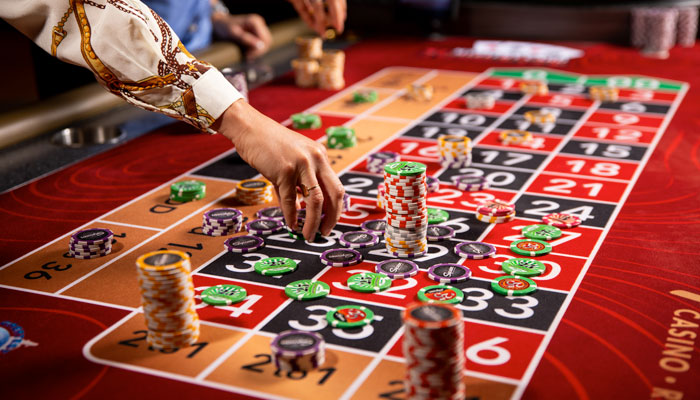
Exploring Gambling Trends Worldwide
Understanding the cultural insights into gambling helps us appreciate the global trends that shape the industry today. With increasing globalization, traditional practices are being influenced by international gaming standards, creating a melting pot of gambling experiences. This convergence allows for the sharing of strategies, games, and customs, enriching the overall landscape of wagering practices worldwide.
As societies continue to evolve, so too will their gambling traditions. Exploring these cultural insights not only provides valuable context for the present but also raises intriguing questions about the future of gambling in an increasingly interconnected world. The ongoing dialogue between tradition and innovation will undoubtedly shape the gambling landscape for generations to come.